

This Application Note looks at a simple first script using the MCL language for MCP motor controllers.

Calibrating Motor Controller Voltage Readings
In some cases the voltage read by a motor controller will need to be calibrated to match the actual power supply voltage. This Application Note covers the process of doing so.
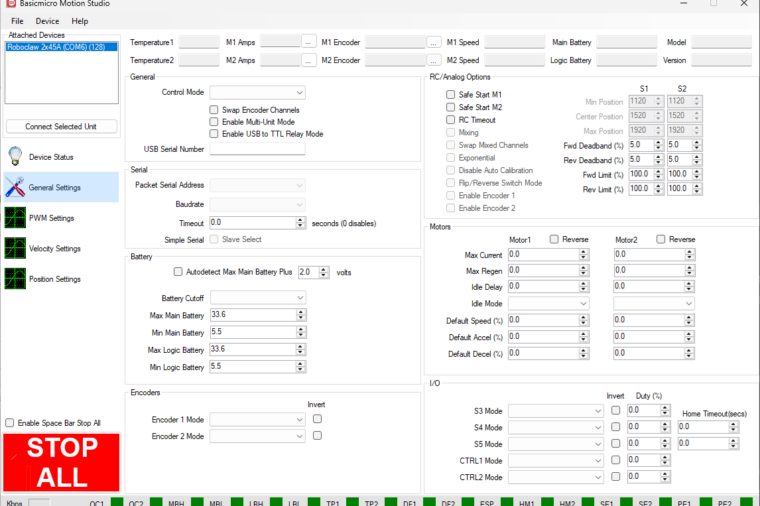
Understanding Acceleration and Deceleration Values
The acceleration and deceleration values used in Motion Studio and the software libraries can be understood as raw values, percentages, and time. This guide explains the two unit systems, duty units per second for duty commands and QPPS per second for speed commands, and how to convert between the different views.
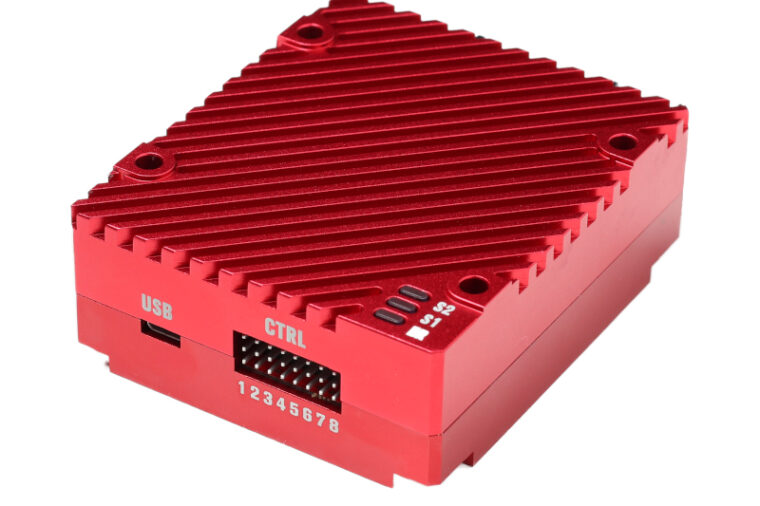
Motor Controller Selection
The three motor specifications that determine the right motor controller: voltage, running current, and stall current, plus how to estimate stall current and size a RoboClaw around it.

Ground Path Issues
When using a motor controller improper grounding can cause damage to the motor controller and also to devices attached to it.

Velocity and Position Error Limits
The RoboClaw and MCP motor controllers have a new safety feature based around errors in the PID system. This application note takes a look at what it is and how to use it.
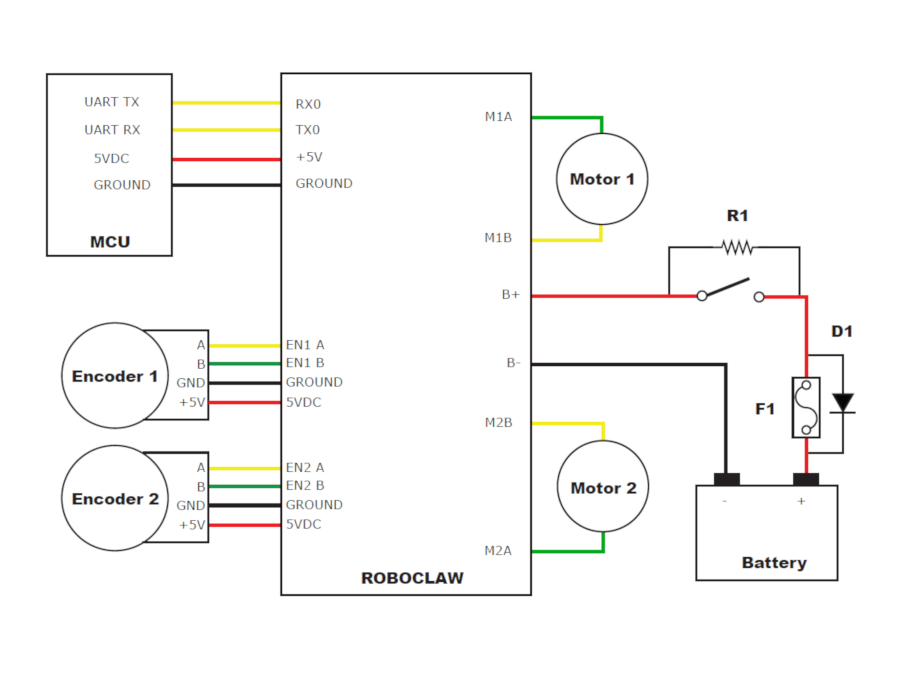
Motor Controller Protection: Diodes, Clamps, and Pre-Charge Resistors
Motors generate a regenerative voltage spike when they stop or slow quickly, which can damage a motor controller. This guide covers how to protect a controller with a bypass diode, a voltage clamp, a pre-charge resistor, and the maximum voltage setting.
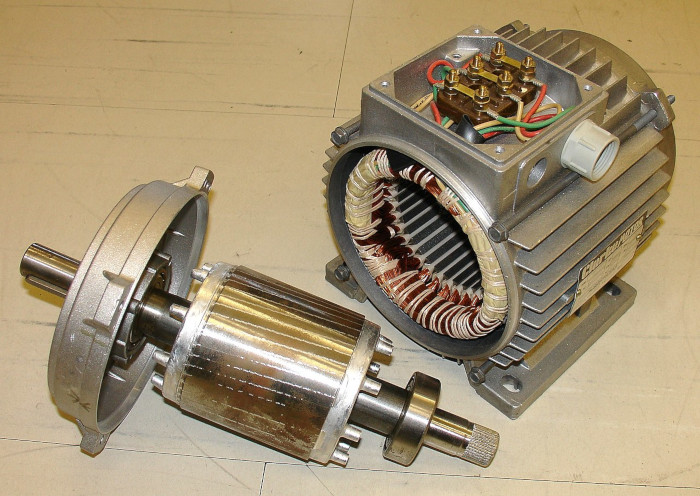
Understanding Motor Specifications
Motor specifications — voltage, current, speed, torque, and power — describe how a motor behaves and determine the battery and motor controller you need. This guide explains what each specification means and how to use the stall current to size a controller.

PID Control and Motor Controllers
Motor controllers like the RoboClaw use feedback from sensors like encoders to maintain the speed and position of motors. Internally, a system called a PID controller keeps these values at their setpoints. This guide covers what a PID controller is, how the proportional, integral, and derivative terms work, and how motor controllers use them.
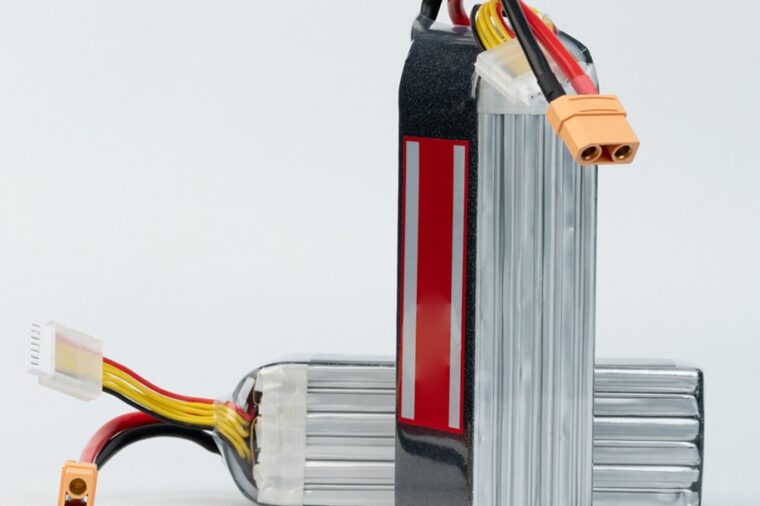
Selecting the Proper Battery
How to choose a battery for a robotics project: compare LiPO, LiFePO4, and lead acid chemistries by voltage, capacity, and C rating to match your robot’s power and run time needs.