

When using a motor controller improper grounding can cause damage to the motor controller and also to devices attached to it.

Velocity and Position Error Limits
The RoboClaw and MCP motor controllers have a new safety feature based around errors in the PID system. This application note takes a look at what it is and how to use it.
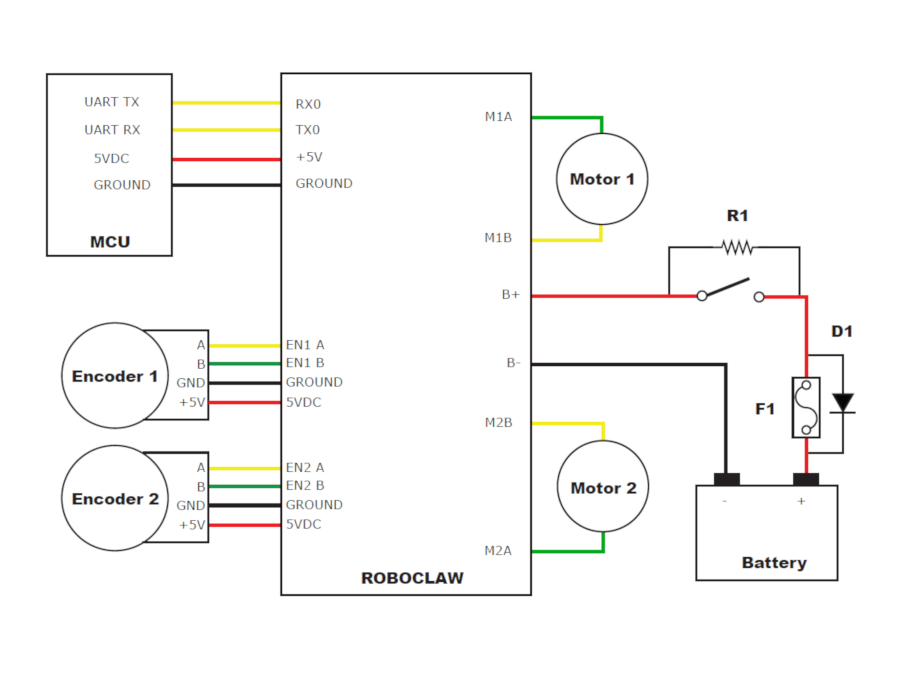
Motor Controller Protection: Diodes, Clamps, and Pre-Charge Resistors
Motors generate a regenerative voltage spike when they stop or slow quickly, which can damage a motor controller. This guide covers how to protect a controller with a bypass diode, a voltage clamp, a pre-charge resistor, and the maximum voltage setting.

Web Controlled Rover
In this Customer Project article we look at a rover that can be controlled from any device with a web browser.

Wallace Rover
Wallace the Rover is an autonomous tracked robot built by a user on Instructables. This build is a good demonstration of the proper way to protect and use a RoboClaw motor controller.

Robotic Snow Plow
In this Customer Project article we take a look at a handy robot for those living where winter brings snow.
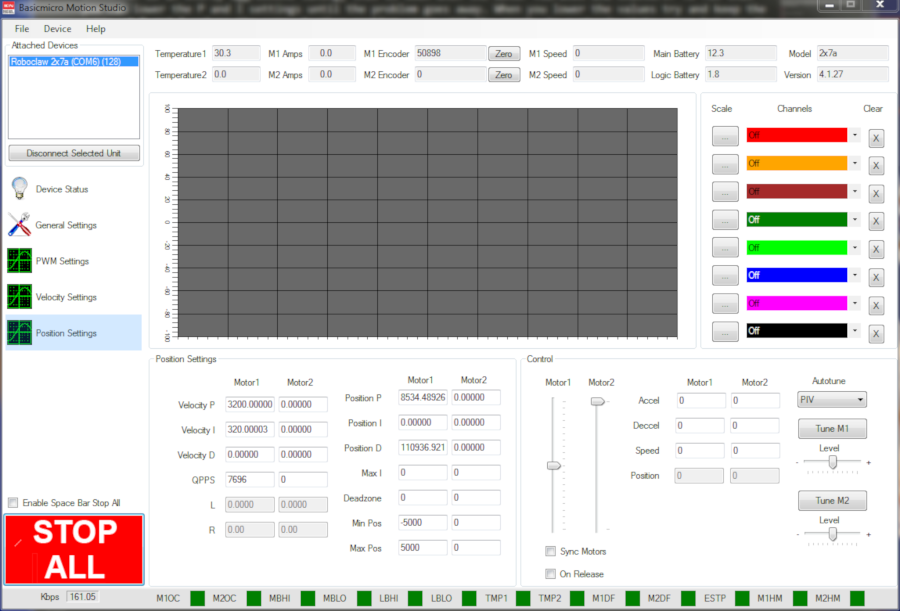
Auto Tuning with Motion Studio
In systems with a PID controller, the proportional, integral, and derivative values must be set properly for the controller to work well. Motion Studio can tune these values automatically for a motor and encoder combination. This guide covers auto tuning velocity and position control and fine tuning the results.

Graphing in Motion Studio
Motion Studio feature the ability to graph different aspects of a motor, encoder and the controller against each other in real time. This Application Note covers the use of this feature.
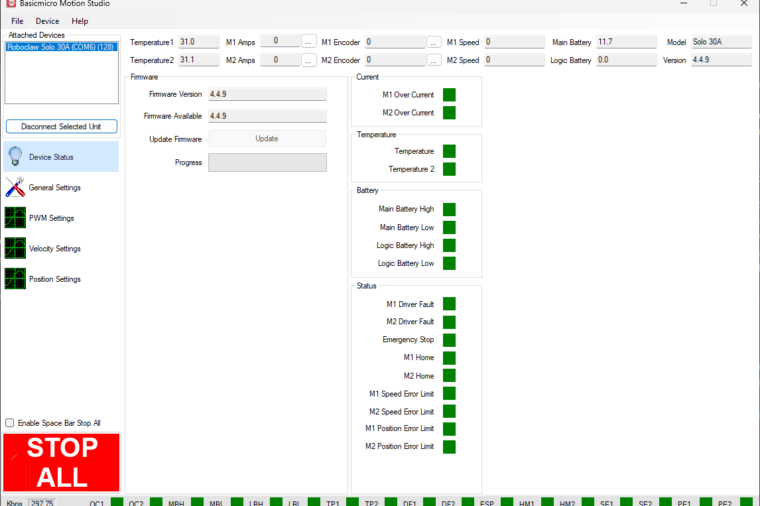
Introduction to Motion Studio
An introduction to BasicMicro Motion Studio, the Windows application used to configure, test and tune RoboClaw and MCP series motor controllers. The first article in a series, covering the layout and the most common operations.
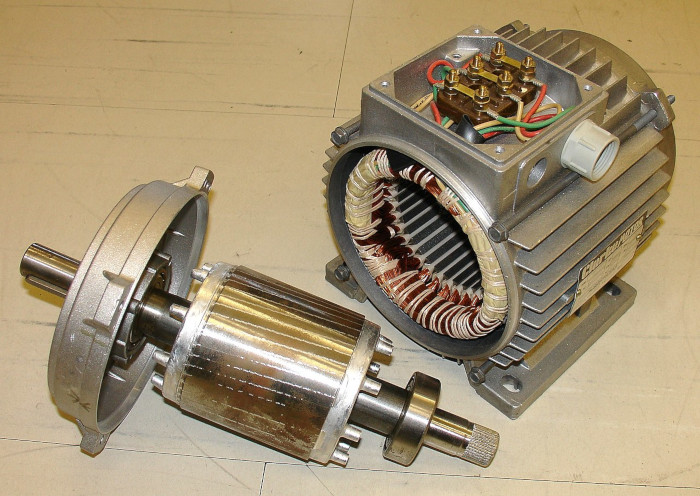
Understanding Motor Specifications
Motor specifications — voltage, current, speed, torque, and power — describe how a motor behaves and determine the battery and motor controller you need. This guide explains what each specification means and how to use the stall current to size a controller.